The short version
Mold vs mildew is mostly a naming difference: the EPA says molds are also called mildew. Color cannot tell you how risky a growth is. Under about 10 square feet and clean water, you can often scrub it yourself. Larger, hidden or sewage-related growth needs help, and the moisture source comes first.
Is mildew actually different from mold?
For a homeowner, not in any way that changes what you do. The EPA describes molds as organisms "also called fungi or mildew." Mildew is the everyday word people use for flat, powdery growth, and mold is the broader term. Both need moisture, and both are handled by fixing the water first.
That matters after a leak in Acton, because the label on the stain is the least useful thing to argue about. A gray film on a window sill and a dark patch on a ceiling are the same kind of problem: something stayed damp long enough for spores to settle and feed.
How can I tell mold from mildew by looking at it?
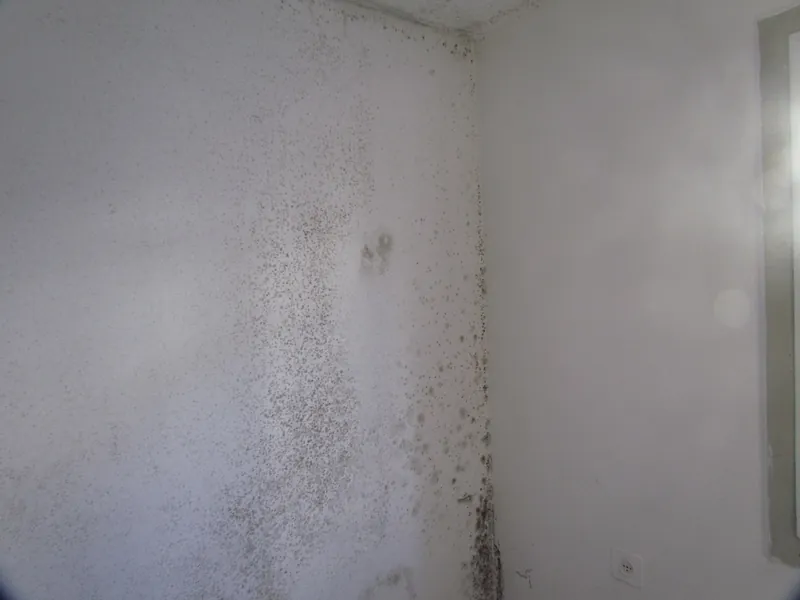
You mostly cannot, and the EPA does not ask you to. Appearance varies with the material, the light and the species. What you can judge is where it is, how much of the surface it covers, how deep it goes and whether the material underneath is still damp.
| What you see | What it usually means | First move |
|---|---|---|
| Thin gray or white film on a hard, glossy surface | Surface growth from steady condensation or splashing | Scrub with detergent and water, dry fully, then cut the moisture source |
| Dark spots that return after cleaning | The area keeps getting damp from a source you have not found | Look for a slow leak, a cold spot or poor ventilation |
| Fuzzy or spotted growth on drywall, paper or wood | Growth that has fed on the material and may reach inside it | Measure the patch, check for a damp backside and plan for removal of the material |
| Musty smell with nothing visible | Growth hidden in a wall, floor or ceiling cavity | Trace the smell, test for moisture and call someone who can open the area |
If a patch sits on a wall that is wet to the touch from the back, treat it as water damage first. Our guide to the signs of water damage shows how to confirm where the moisture is coming from.
Does the color tell me if it is dangerous?
No. The EPA says molds come in many colors, including white, and that "black mold" is not a species or a specific kind of mold. Nobody can tell whether a growth makes mycotoxins by looking at it, so color is not a safe way to decide how worried to be.

The EPA also notes that symptoms such as headache, sneezing, a runny nose or red eyes can have causes unrelated to mold, so it advises against assuming mold is the cause. If anyone in the home has asthma, a mold allergy or a weak immune system, talk to a health professional rather than guessing from a photo.
What does a musty smell mean after a leak?
It usually means something is growing or staying damp where you cannot see it. The EPA says a moldy odor suggests mold is growing in the building and should be investigated. The smell comes from compounds that growing mold releases into the air, so it can show up before a stain does.
Follow the smell to its strongest point. Check the wall behind furniture, the cabinet under a sink, the carpet edge and the ceiling below a bathroom or an air handler. The EPA names wall cavities near leaking pipes, the space behind furniture, ducts and the area over ceiling tiles as spots where growth hides.
Our water damage smell guide goes through sweet, sour, sewage and musty odors one by one. Do not mask a smell with sprays or fresh paint. The EPA says not to paint or caulk over moldy surfaces, because paint applied over mold is likely to peel.
What causes mold or mildew after a leak in Acton?
Moisture that stays too long. The EPA advises drying wet areas and belongings inside 24 to 48 hours, and says mold needs only a little water, such as condensation, plus something organic to eat like paper, wood or cloth. Drywall paper and carpet pad give it plenty to eat.
Acton has warm, dry summers, so a damp house is more often a plumbing, roof or storm problem than a general climate problem. Nearby Palmdale gets only about 5.9 inches of rain in a year, according to its Wikipedia climate summary, which means one wet event can stand out. A leak that sits for a week in a dry house still gets time to grow mold.
Cold nights add another source. Palmdale has about 52 mornings a year at or below freezing, and the EPA lists condensation on cold spots as a common moisture source. Poorly ventilated rooms, closed-up closets and window frames are the places to look first.
Can I clean mold or mildew myself?
Often yes, when it is small and the water was clean. In the EPA's view, a patch smaller than about 10 square feet (think 3 ft by 3 ft) is usually a do-it-yourself job. Larger areas, sewage or heavy water damage are a different situation.
- Hard surfaces: the EPA says to scrub with detergent and water and dry completely.
- Porous materials: ceiling tiles and carpet may have to be thrown away, because mold can fill the empty spaces in them.
- Bleach: the EPA does not recommend biocides such as chlorine bleach as routine practice, and says never to mix bleach with ammonia products.
- Dead mold: it can still cause allergic reactions, so it has to be removed, not just killed.

When is it more than a surface problem?
It is more than surface growth when it covers more than about 10 square feet, when it returns after cleaning, when it sits on drywall or insulation that has been wet for days, or when the water was sewage or flood water. In those cases the material and the moisture both need attention.
The EPA says that if sewage or other contaminated water caused the damage, you should call a professional with experience in contaminated buildings. Our sewage backup cleanup page explains why that water is handled differently.
For drywall that has gone soft or stained, removal is often the fix, and the drywall water damage repair page shows what that looks like. For carpet that stayed wet, see wet carpet drying. The fuller mold after water damage guide covers the larger-job decisions.
Does homeowners insurance cover mold or mildew?
Sometimes, depending on what caused the water. The California Department of Insurance says mold damage caused by a covered peril may be covered. Triple-I notes that policies leave out damage from neglected maintenance, mold or pests, and NAIC adds that mold is often excluded, so read your own policy.
The practical rule is to stop the leak and dry the area fast, then report the loss. The CDI says delay in cleanup can result in mold growth, and a slow response can complicate a claim that a sudden pipe failure would otherwise support.
Photograph the damage before you clean it, keep receipts for what you spend and ask the adjuster before you throw out damaged materials. Triple-I advises exactly that. The water damage insurance claims guide walks through the order of steps.
What do California rules say about mold in a rental?
California treats dampness and visible mold as a housing-condition issue. Under Health and Safety Code 17920.3, a home is substandard when dampness or visible mold is a hazard to occupants, and the owner must fix it. The code excludes minor mold on surfaces that are meant to get wet.
CDPH says landlords must give prospective residential tenants its mold booklet before the lease or rental agreement, a requirement that began January 1, 2022. The booklet's own advice is short: if you control the dampness, you control the mold. Our renters and landlords guide covers who handles what.
Do I need a licensed mold inspector in California?
California has no state license for mold assessors or remediators. CDPH says the state sets no training or license rules for people who assess or remove mold, and has no regulations on mold inspection or remediation. It also says no exposure limits for indoor mold exist.
Restoration teams differ, so confirm directly what each one tests and how it decides a job is finished.
Building repairs are different. Rebuilding drywall or framing is construction work, and the Contractors State License Board says an unlicensed person can only take on projects up to $1,000 in total if they hire no workers and no building permits are needed. See choosing a restoration company.
What should I do first when I see mold or mildew?
Find the water before you touch the growth. Cleaning a patch while the wall behind it is still wet only buys you a few days. Put the moisture source first, the material second and the stain last, and write down what you find as you go.
- Stop the source. Shut off the water or fix the roof opening, and note where it came from.
- Photograph the area and measure the patch, so you know whether it is near the 10 square foot mark.
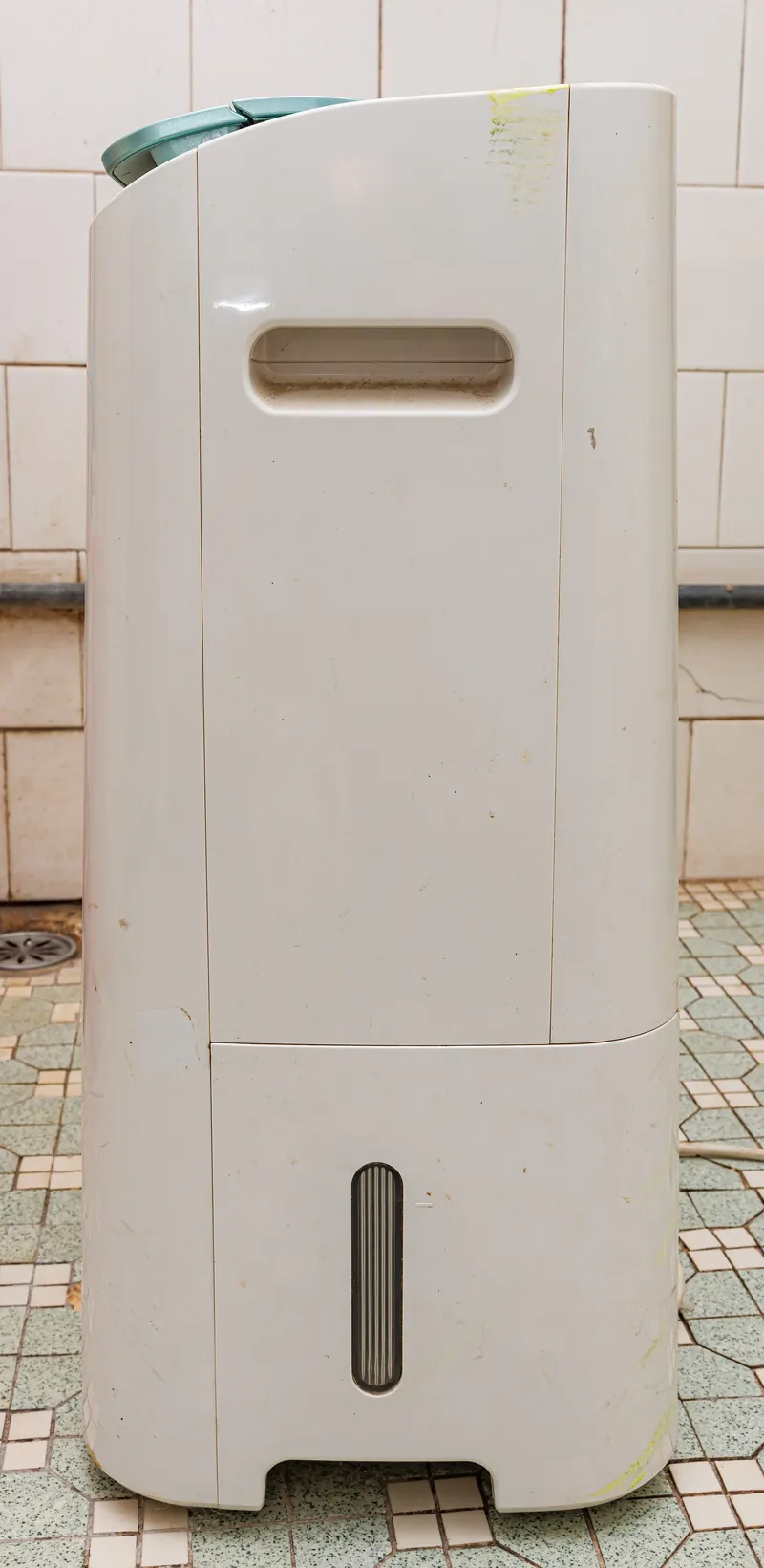
- Dry the space. Open windows when the weather allows and run fans or a dehumidifier. The EPA's target for indoor humidity is under 60 percent, ideally 30 to 50 percent.
- Clean small hard surfaces with detergent and water and dry them completely.
- Remove soaked porous materials that cannot be dried, such as carpet or ceiling tile, once your insurer has seen them if you plan a claim.
- Call for help if the area is larger, hidden or recurring, or if anyone in the house has health concerns.
Our structural drying page explains how a provider dries a wall or floor so the growth does not come back.
Who can I call if mold or mildew keeps coming back?
Call a restoration team when the cause is a water event you cannot dry yourself, a plumber when the source is a pipe or fixture, and a roofer when it is the roof. A health professional is the right call for symptoms. Recurring growth means a moisture source is still active.
Restoration teams differ in what they handle and how they work, so confirm directly. Browse all of our water damage guides for the pages that match your situation.
Sources: EPA mold course, chapter 1; EPA mold cleanup page; EPA brief guide; CDPH mold FAQ; CDPH renters booklet; CDI claims guide; Triple-I on covered disasters; Triple-I on settling claims; NAIC homeowners page; CSLB press release 24-21; Wikipedia on Palmdale.