The short version
A water damage insurance claim in Acton tends to succeed when the leak was sudden and came from plumbing, an appliance or a storm-damaged roof. Flood, runoff and sewer backup normally need separate cover. Photograph everything, call your insurer early and keep every receipt. The wording of your policy decides.
Does homeowners insurance pay for water damage in Acton?
Usually, if the water came from a covered source inside or onto the house, and not if it rose from the ground. The California Department of Insurance (CDI) draws the line this way: flood is out, other water damage is in. Your policy wording makes the final call.
CDI's example is rain entering through a hole in the roof or a broken window, when strong wind or another covered exposure made the hole. The National Association of Insurance Commissioners (NAIC) sorts it by source. A plumbing failure or a leaking roof normally qualifies. Ground water, runoff from rain and melting snow do not.
Acton is mostly owner-occupied: 88.0 percent of occupied homes, per the 2020 census. That means most claims here start with a homeowners policy, so the rest of this page assumes one. Renters are covered in a separate section.
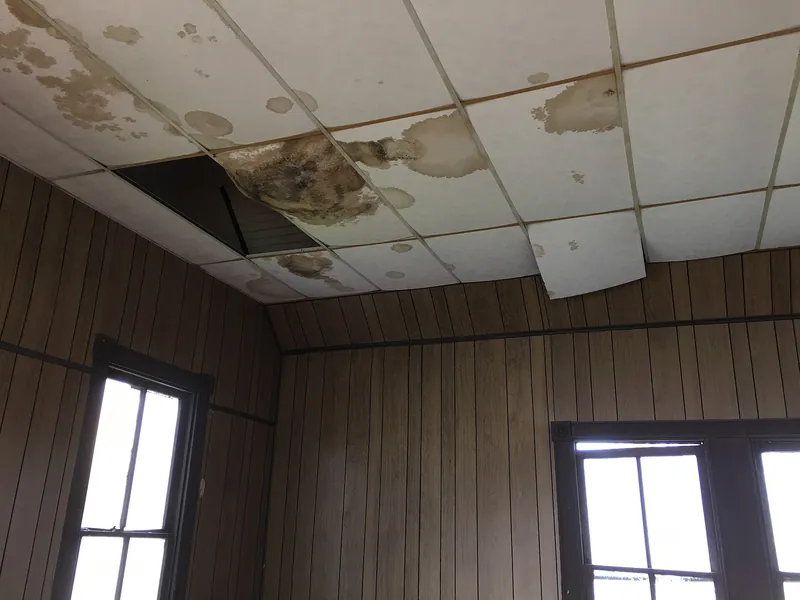

Which causes are covered and which are not?
Coverage follows the cause of the water, not the size of the mess. The table is a general guide and every row can change with endorsements and exclusions. Flood, mudslide and sewer backup are the rows that surprise homeowners most often.
| Cause | Usual result | What decides it | Source |
|---|---|---|---|
| Split or frozen pipe | Often paid | A sudden discharge from plumbing is a named peril, and so is freezing of the system | Triple-I |
| Appliance or air conditioner overflow | Often paid | Accidental overflow from a household appliance or cooling system | Triple-I |
| Roof leak from wind or storm damage | Typically paid | The opening must come from a covered cause; wear and neglect do not count | CDI, NAIC |
| Flood, runoff or snow melt | Not paid | Excluded from homeowners and renters policies; flood cover is a separate purchase | CDI, FEMA, NAIC |
| Sewer or drain backup | Add-on only | Missing from a typical policy and from flood insurance; sold as an endorsement | Triple-I |
| Mold | Depends | Can be paid when a covered peril caused it, but many policies exclude it | CDI, NAIC |
Pipe and appliance leaks are covered in the sense that the policy names them. The adjuster still has to find that the loss was sudden. The burst pipe page and the sewer backup coverage page go deeper on two of these rows.
What is the difference between homeowners and flood insurance?
Homeowners insurance answers for water that starts inside the home or comes through a covered opening. Flood insurance answers for rising or moving water from outside. Triple-I explains that you buy flood protection separately, from the National Flood Insurance Program (NFIP) or from a handful of private companies.
FEMA states plainly that most homeowners insurance does not cover flooding. There is also a waiting period. CDI's flood page says a new flood policy begins 30 days after purchase. A borrower whose federally regulated lender demands coverage in a high-risk zone is the one exception. Buying once the water has arrived is too late.
The upper branches of the Santa Clara River join into a broad wash near Acton, according to Wikipedia. That is geography, not a statement about any property, so check a flood map and ask an agent whether your address needs a policy. CDI reports that fewer than 5 percent of California homes carried NFIP flood insurance in September 2019.
Is mudslide or debris flow damage covered after a wildfire?
Sometimes, and the cause decides. A CDI press release dated February 4, 2025 states the usual exclusion for flood, mudslide and debris flow. The exception is a slide that a recent wildfire, or some other covered peril, caused directly or indirectly. The Commissioner issued a bulletin reminding insurers about hillsides that fire had weakened.
If a burn scar sits above your property, document the slope and the water path before cleanup. The USGS notes that fire changes how water moves across land, so a small storm can trigger flash floods and debris flows. Read flooding after wildfire for the safety side.
No source here says a wildfire burned near any Acton home. This section only explains the rule if one has.
What are the steps to file a water damage claim in California?
Four jobs come first: stop the water, protect the property, document the damage and phone your insurer. Triple-I's advice is to call right away and limit further harm, but to leave major permanent repairs alone until an adjuster has looked at the loss.
- Stop the source. Close the shutoff valve nearest the leak, or the main valve if you cannot tell. The water mitigation page explains what limiting further damage means.
- Protect what remains. CDI lists temporary repairs, such as plastic sheeting over a roof or window opening, among the most important steps.
- Take photos and video of the leak, any standing water and each affected room, before you clean anything.
- Call your insurer and record the claim number, the adjuster name and the date of each conversation.
- Keep receipts for emergency work and supplies. Your insurer reimburses reasonable protection costs when you submit them.
- Set aside ruined belongings instead of discarding them, so the adjuster can see them.
- Gather written bids from licensed contractors, each listing materials and prices on separate lines.
Waiting for the adjuster is not required before drying starts. Take your photos, then dry, and note what you removed and why. CDI warns that a slow cleanup can let mold take hold.
How fast must a California insurer respond?
California regulations set clocks that run in calendar days. Under 10 CCR 2695.5, an insurer must acknowledge a claim, send forms and begin investigating no more than fifteen calendar days after notice. Other deadlines start once you supply proof of claim. Keep your own log of every date.
- Acknowledge: fifteen calendar days after the claim is reported, unless payment goes out in that time (10 CCR 2695.5).
- Accept or deny: no more than forty calendar days after proof of claim, in whole or in part (10 CCR 2695.7).
- More time: if the insurer needs it, written notice must arrive inside those forty days and then every thirty calendar days until a decision.
- Pay: no more than thirty calendar days after acceptance, once any needed release is signed.
A denial of a first-party claim must be in writing, list every basis and tell you that CDI can review the matter. Reading the regulation is the best way to confirm how it applies to you.
What if my claim is slow, low or denied?
Ask for the reason in writing, compare it with your own bids and photos, and escalate in steps. CDI's consumer hotline is 1-800-927-4357, and CDI lists trouble opening a claim as a reason to call. A complaint can be filed on its online form.
- Get the decision in writing with the policy sections behind it.
- Send your differences in writing, with your bids and photos attached.
- Take it to the claims manager if you still disagree once the adjuster has answered.
- Look for an appraisal clause. Many policies allow one: Triple-I describes two appraisers, one per side, who choose an umpire, with any two of the three settling the amount.
- File a CDI complaint through its consumer help page if the insurer is not following the rules.
Hiring a public adjuster is your choice. Triple-I notes that fees can reach 15 percent of the settlement, so verify any candidate with the BBB and the state insurance department. California's Insurance Code 15027 also requires a written contract and a three business day right to cancel.
What if my only policy is the FAIR Plan?
Read it closely, because it may not pay for plumbing leaks at all. CDI describes the California FAIR Plan as a limited fire policy, and a CDI fact sheet lists water damage among perils not available under it. Buyers who want broader cover are pointed to Difference in Conditions (DIC) policies.
A DIC policy adds the perils missing from the base policy, such as water damage. CDI says to apply for FAIR Plan coverage through a licensed agent or broker, or by calling 800-339-4099, and to shop the market first. Ask an agent which policy would answer a burst pipe, and see the lender insurance check for what a mortgage servicer may require.
Should I file a claim or pay for repairs myself?
Set the repair estimate beside your deductible before anything else. A bid close to or under the deductible may pay nothing, while a bigger loss usually justifies filing. Asking your insurer a coverage question does not by itself open a claim.
These claims are common. Triple-I counts roughly one insured home in 60 filing a water damage or freezing claim each year, and the average payout for 2019 to 2023 was $15,400. That is background, not a forecast for your house.
The restoration cost guide lists national repair ranges to set against your estimate. How a claim affects your renewal differs by company, so put that question to your agent.
What about renters and landlords?
Who pays depends on where the water started and what the lease says. About 12.0 percent of occupied homes in Acton are renter-occupied, per the 2020 census. A leak from a shared pipe or the roof can land on a different policy than a leak from your own fixture.
Standard renters policies leave out flood, according to Triple-I. On the landlord side, Civil Code 1941.1 lists effective roof and exterior wall weatherproofing, and plumbing in good working order, among the traits of a habitable dwelling. Photograph your belongings and notify the landlord of the leak in writing right away.
Our renters and landlords guide covers repairs and notices. This page is general information, not legal or insurance advice.
Sources: CDI claims guide for residential property; CDI flood facts; CDI climate insurance report; CDI press release 013-2025; CDI on the FAIR Plan; CDI FAIR Plan fact sheet; 10 CCR 2695.5; 10 CCR 2695.7; Triple-I, covered disasters; Triple-I, settling claims; Triple-I, insurance facts; NAIC consumer page; FEMA FAQ; USGS debris flow program; Acton, Wikipedia; Santa Clara River, Wikipedia.