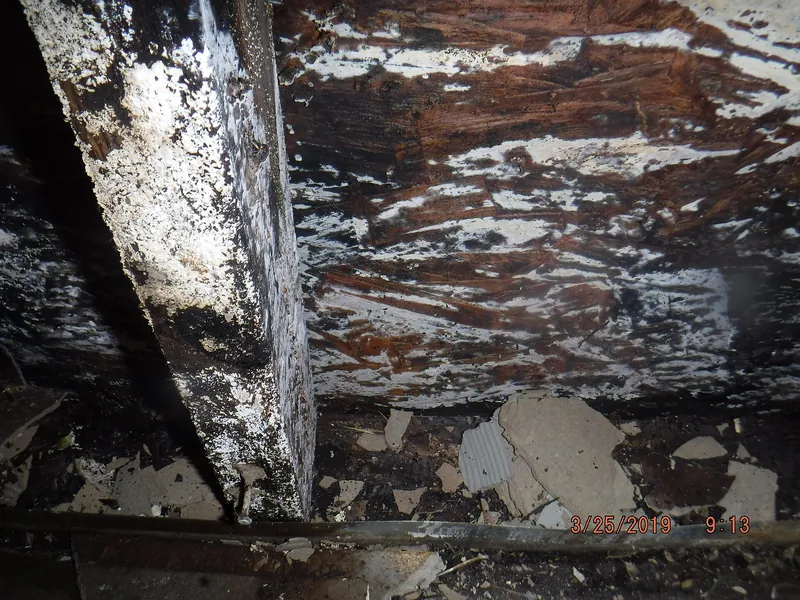
The short version
Buying a water damaged house in Acton, CA can work if the cause is known, repairs are documented and the property can be insured. Read the California disclosures, ask for invoices and permits, get moisture readings and collect insurance quotes before you close.
Should I buy a water-damaged house in Acton?
You can, if the cause is found, the repair is documented and the property can be insured. Buying a water damaged house in Acton, CA turns on those three things, not on the stain you can see. A dry, fixed leak is a smaller risk than an unexplained one.
Price the unknowns before you offer. Hidden damage can sit behind walls and under floors, and a seller may not know all of it. Build time into your contract for inspections, because rushing a close is how buyers inherit someone else's problem.
The rest of this guide covers what California makes a seller disclose, how to check a property's history, what to look for on a showing and what to do if you find damage after closing. Acton is unincorporated, so repair permits come from Los Angeles County, not a city office.
What does a California seller have to disclose?
Civil Code section 1103 makes a seller or agent disclose certain natural hazard zones. Two of them bear on water: a FEMA special flood hazard area, and an area that could flood if a dam failed. Fire, fault and seismic zones are listed too, when the seller or agent knows or the locality posted notice.
A zone notice says where a property sits, not what happened inside it. The seller also completes a transfer disclosure statement on condition, so read it line by line, and ask the seller in writing about any leak, repair or insurance claim that the form does not mention.
Health and Safety Code section 19211 adds a water heater duty: the seller certifies in writing that the tank is braced, anchored or strapped against earthquake motion. Check the heater yourself. A loose tank is a leak waiting for the next shake.
How do I check a property's water history?
Use several sources, because no single record shows everything. Ask the seller for repair invoices and insurance claim history, request permits from Los Angeles County Public Works, and read the disclosures. Then compare what you find against what you see and measure on site.
| Record | What it can show | What it can miss |
|---|---|---|
| Seller's disclosure forms | Hazard zones and problems the seller knows about | Damage the seller never learned of, or earlier owners' repairs |
| Repair invoices and receipts | Which pipe, roof section or fixture was fixed and when | Work done by the owner with no paperwork |
| County permit records | Larger repairs that needed a permit | Small jobs and unpermitted work |
| Insurance claim history | Past water claims on the address, if the seller shares it | Leaks the owner paid for out of pocket |
| Moisture readings on site | Whether materials hold moisture at the time of the visit | Old damage that has dried |
Ask your agent how to request these records and how long each takes. Your repair permits guide explains why a county permit history is worth requesting.
What are the warning signs during a showing?
Look for stains, soft spots, musty air and fresh paint in odd places. Any one can have a harmless explanation, but a pattern deserves questions. Ceilings, window frames, floors near the water heater and the area under sinks are the usual places to check first.
- Brown or yellow rings on a ceiling, or a patch repainted brighter than the rest.
- Floors that feel soft, cup at the edges or have gaps opening between boards.
- A damp or earthy smell that gets stronger in closed rooms.
- Bubbling paint, peeling wallpaper or crumbling drywall along a wall base.
- Rust or mineral crust on pipe joints, valves and the bottom of the water heater.
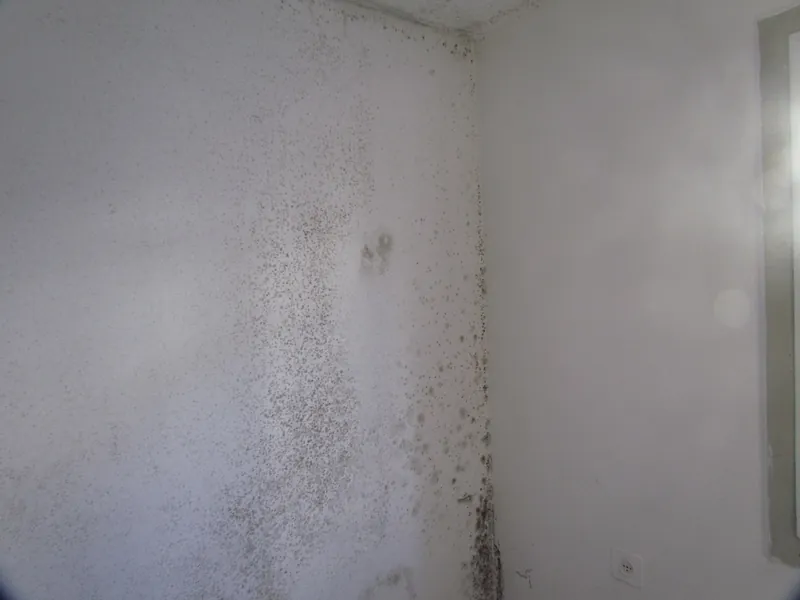

For reference, the EPA advises keeping relative humidity under 60 percent, with 30 to 50 percent as the target. A small hygrometer gives a rough reading on a visit. See the signs of water damage guide for more.
What does a home inspection find, and what does it miss?
A general inspection reports what is visible and accessible on the day. It can flag stains, wet-looking materials and conditions that suggest a leak. It cannot see inside closed walls or under flooring, so damage that dried or sits out of sight may go unreported.
Ask the inspector to take moisture readings at suspect spots and to note areas they could not reach, such as an attic crawl space or a covered utility access. Do not assume the property has a crawl space, a slab or a particular type of foundation. Houses in the Acton area differ, and the inspector's report should say what this one has.
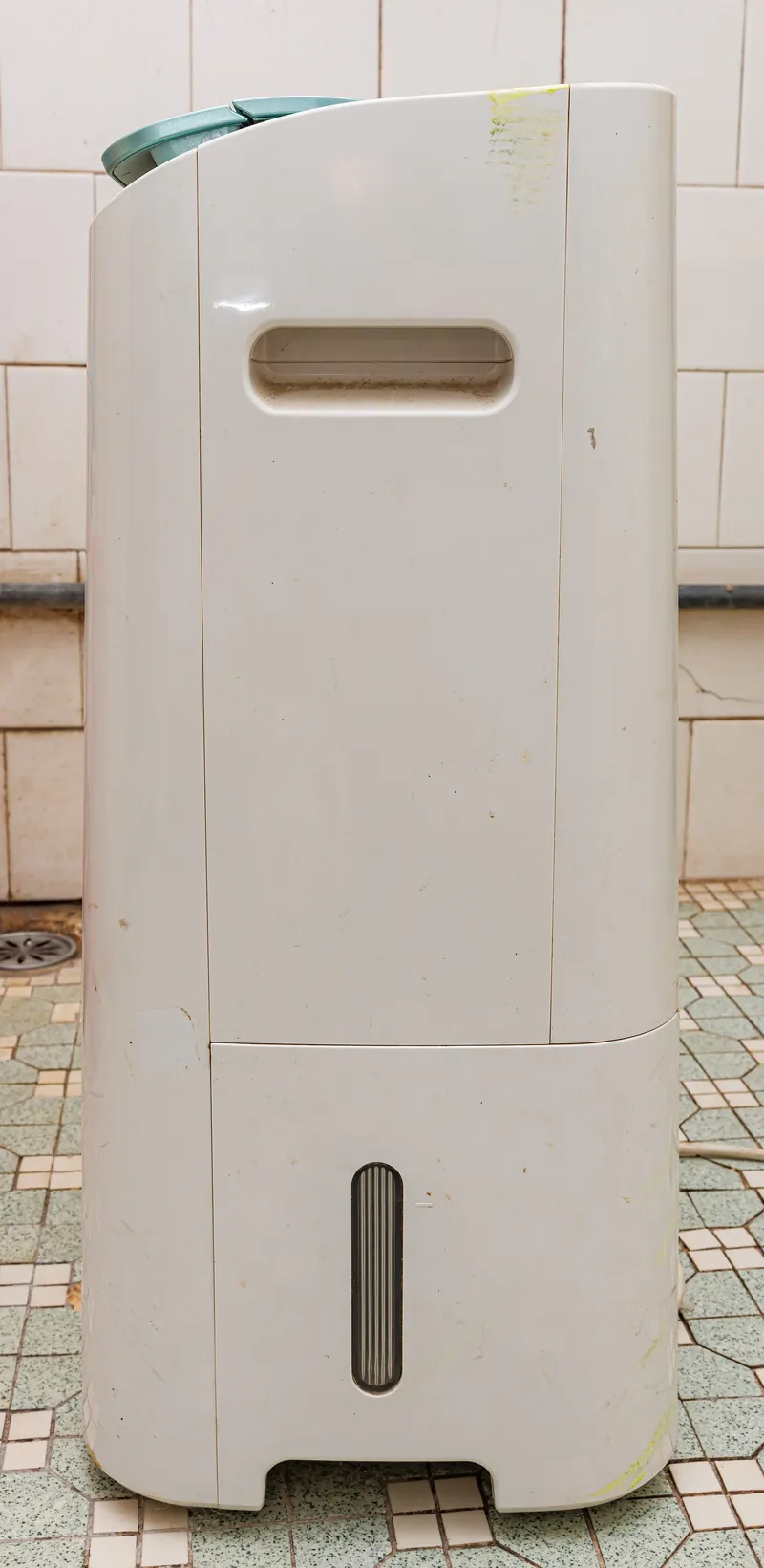

If readings or stains raise doubts, a specialist can look closer. Plumbers inspect supply and drain lines, and a roofer can check the roof. A restoration team can explain what drying would involve, once you know what is wet.
Will insurance cover a house that had water damage?
Possibly, but ask before you close. Triple-I says standard homeowners policies cover sudden plumbing discharge but exclude flood, and the NAIC notes policies often exclude mold. The California Department of Insurance (CDI) adds that a new flood policy starts 30 days after purchase, unless a federally regulated lender requires it in a high-risk area.
Get quotes on the specific address, and tell each insurer what you know about past leaks. If a standard insurer declines, ask your agent about the California FAIR Plan. The CDI describes it as a bare-bones residential policy that covers fire and smoke and forces owners to buy another policy for water damage.
Wildfire runoff matters too, and a February 2025 CDI release explains that policies usually leave out flood, mudslide and debris flow, except when a recent wildfire or another covered cause set them off. If the property is on or below a burned slope, ask your agent how that exclusion applies. The flooding after wildfire page has background.
What steps should I take before I make an offer?
Work through the checks in order, from cheapest to most thorough, and keep every answer in writing. Each step can change your price or end the deal, so finish them before your contract's inspection period runs out and your leverage disappears.
- Read every disclosure and flag any answer that seems incomplete.
- Ask the seller for invoices, permits and claim history covering any water repair.
- Walk the property with the warning-sign list, including the water heater and under every sink.
- Hire an inspector and ask for moisture readings in doubtful spots.
- Get insurance quotes for the address, including a flood quote if the zone calls for it.
- Request a written repair estimate from the provider who would do the work, and use it in price talks.
The CDI notes that fewer than 5 percent of California homes carried flood insurance through the National Flood Insurance Program in September 2019, so many buyers never ask. Ask.
What if the seller did not disclose past water damage?
Collect proof first: photos, the repair date if you can learn it, and any receipts or messages that show the seller knew. Then speak with a California real estate attorney about your options. Nothing here is legal advice, and rights depend on the facts and your contract.
Tell your insurer about newly found damage and read the policy before you start work. Triple-I advises protecting the property from more harm, saving receipts and delaying big permanent repairs until the adjuster has looked.
Keep a log of every call and every document. A clean record helps with an insurance claim and with any dispute that follows.
What if I discover damage after the keys are mine?
Find and stop the source, dry what you can reach and record everything before repairs begin. The EPA puts the safe drying window at roughly the first 24 to 48 hours, so move quickly. Then call your insurer and read the policy's water and mold terms.
- Shut off the water at the house valve if a pipe is leaking.
- Photograph and film the damage and any listing photos or papers that contradict it.
- Report the claim to your agent or insurer and ask what steps it wants taken.
- Get written estimates from providers who handle drying and repair.
The insurance claims guide and the mold guide go deeper. For hiring, see choosing a restoration company.
What if I am the one selling a house that had a leak?
Disclose what you know and keep the repair paperwork. A leak that was found, fixed and dried with receipts to show it is easier to sell than one a buyer discovers later. Ask your agent what the California forms require for your situation.
Decide whether to repair before listing or sell as is with a credit. A written estimate lets buyers see the cost instead of guessing at it. The guide to disclosing water damage when selling covers the process, and the water damage repair page explains the work involved.
This site is part of Water Damage Cleanup California. It does not inspect or certify properties.
Sources: EPA mold and moisture guide for homes; Triple-I, covered disasters; Triple-I, settling claims; NAIC consumer page on homeowners cover; CDI flood facts; CDI climate insurance report; CDI statement on the FAIR Plan; CDI February 2025 release on mudslide claims; Seismic Safety Commission text of the water heater law. Statutes: Civil Code 1103; Health and Safety Code 19211.