The short version
Flooding after wildfire happens because burned slopes shed rain quickly, sending water, mud and debris into homes. Policies typically exclude flood and debris flow unless a recent wildfire caused it. Document the loss, treat mud and floodwater as contaminated and dry the house in 24 to 48 hours.
Why does flooding after wildfire happen?
Fire strips the plants and litter that slow rain down, and it can leave soil that sheds water instead of soaking it up. A modest storm can then send water and mud off a burned slope all at once. Flooding after wildfire is faster and dirtier than ordinary rain runoff.
This page explains the hazard and what to do about a wet house. USGS says fire can dramatically change how water moves across a landscape, so a small storm over steep burned ground can trigger flash floods and debris flows. Debris flows are fast slurries of mud, rock and branches. They are different from a slow rise of water in a yard.
This page does not say that any particular fire burned near Acton. No source in our research documents that, so it covers the general risk and what to check for your own property.
What does the Acton landscape have to do with it?
Acton sits between the Sierra Pelona and San Gabriel Mountains, per its Wikipedia entry, and the upper branches of the Santa Clara River join into the main wash near town, according to the Santa Clara River article. Steep ground feeding washes is the setting where burn-area runoff concentrates.
Rain here is scarce but not predictable. Palmdale, next door, averages 5.90 inches a year on an average of only 27 days, per its climate normals on Wikipedia. A year's rain in a few days is what a burned slope handles worst. Whether your lot is near a wash, a slope or a road culvert is something you can check by looking at where water ran in past storms.

How bad can a debris flow be?
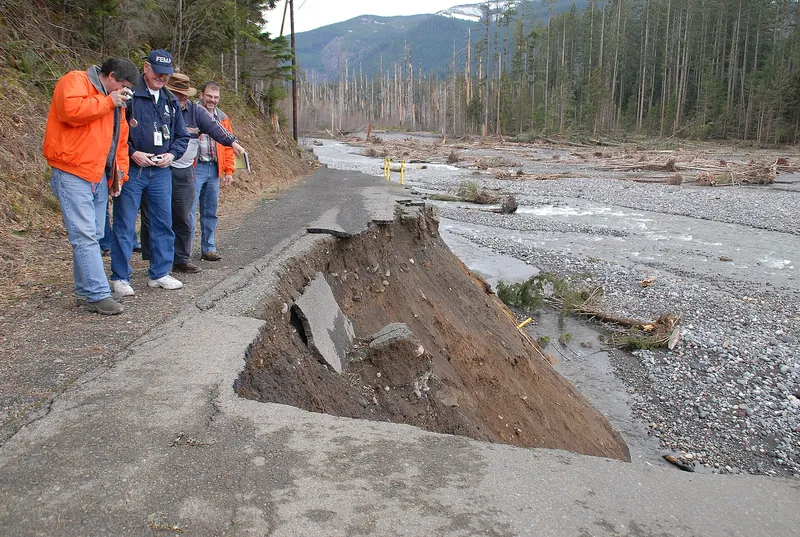
It can be deadly. A USGS study of the January 9, 2018 Montecito debris flow reports 23 fatalities, at least 167 injuries and 408 damaged homes. The Thomas Fire had made the slopes above Montecito more susceptible, and an intense burst of rain fell on the burn area.
The same paper estimates about 680,000 cubic meters of sediment moved down urbanized alluvial fans. Montecito is in Santa Barbara County, not Los Angeles County, so it is an example of the hazard and not a prediction for Acton. The point for a homeowner is the speed. Debris flows give little warning, and the cleanup is mud and sediment, not only water. Wet mud packs into rooms, crawl spaces and equipment, and it is heavy. Do not try to shovel out a house that is still threatened by more rain.
How is a burn-area flood different from a regular flood?
It carries more solids, arrives faster and may hold ash and debris. A regular flood is mostly water. Burn-area runoff can pack ash, sediment, rock and burned material into a home, which makes extraction, hauling and drying a larger job.
| Feature | Ordinary flood | Flood or debris flow after fire |
|---|---|---|
| Warning | Often builds over hours | Can come in a short burst of heavy rain |
| What arrives | Mostly water, sometimes silt | Water, mud, ash, rock and burned debris |
| Cleanup | Pump, remove wet materials, dry | Shovel and haul solids first, then pump and dry |
| Insurance wording | Flood is excluded from homeowners policies | Mudslide and debris flow are typically excluded, with a wildfire exception |
The last row is the one with money attached, so the next section covers it. For the water side of cleanup, see the flood cleanup page.
Does insurance cover flooding after a wildfire?
It depends on the cause and the policy. Often not, but a recent fire can change the answer. Per a February 2025 CDI release, policies typically leave out flood, mudslide and debris flow unless a recent wildfire, or another covered peril, directly or indirectly caused it. Ask your insurer which applies.
The same release says the Commissioner sent insurers a Bulletin about covering mudslide damage when a recent fire weakened hillsides. It restates existing duties. It does not mean every claim gets paid. FEMA says most homeowners insurance does not cover flood damage, and a separate flood policy takes effect 30 days after purchase, per the CDI flood resources page, with an exception for some borrowers whose lender requires it. Buying after a storm is forecast is usually too late.

Document the loss as you would any claim. The insurance claims guide lists the steps, and the mortgage lender page explains who signs the check.
How do I prepare my Acton home before the rain?
Learn your risk, then get ready before the storm. Check where water drains from the slope above you, clear gutters and culverts, ask your agent whether you have flood and mudslide coverage, and keep documents and a go bag together. Leave when officials tell you to, not when the water arrives.
- Check your coverage. Ask your agent how your policy treats flood, mudslide and debris flow, and whether a flood policy is available.
- Follow local alerts. Sign up for county emergency notices and obey evacuation orders.
- Walk the property. Note where runoff flows, and keep drains, gutters and culverts clear.
- Photograph the house and belongings now, so you have a before record.
- Gather papers. Keep your policy, mortgage and ID in one waterproof place.
- Know your shutoffs. See the prevention guide for the main water valve.
- Plan your exit. Know a second road out in case one washes out.
What should I do after mud or floodwater gets in?
Stay out until it is safe, then document before you clean. Floodwater and mud can carry contamination, so wear gloves, boots and a mask. After a flood, the CDC wants the house cleaned and fully dried quickly, inside 24 to 48 hours, with soaked carpet pulled out if it cannot dry in time.
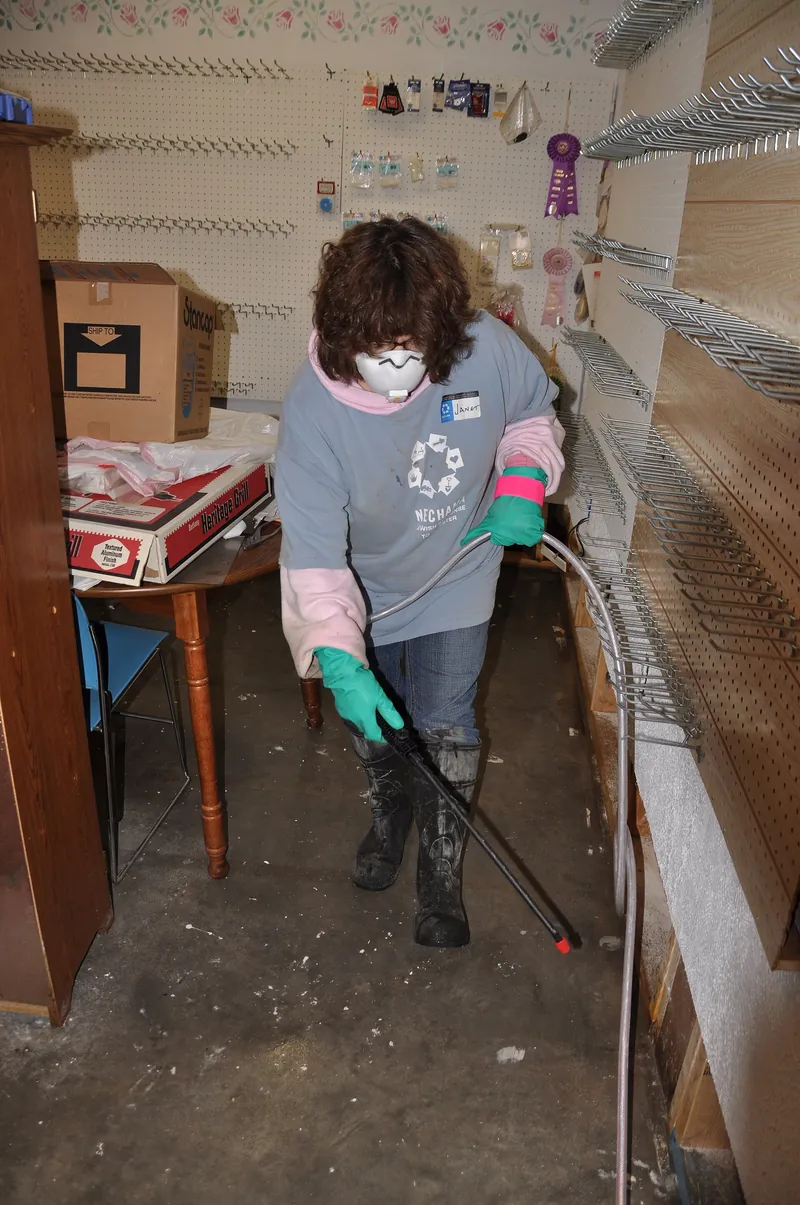

For damage from sewage or other contaminated water, the EPA points owners to a professional who knows how to work in such buildings. Flood runoff can mix with sewage, so treat it as unsafe until a professional says otherwise. If sewage is involved, read the sewage backup page. Shut off electricity to wet areas only if you can reach the panel safely, and never step into standing water near live power.
Photograph the mud line, the damaged contents and the outside of the house before anything moves. Keep samples of damaged items if your insurer asks. Then arrange removal of mud and wet materials. Packed mud can hide water against walls and floors, so ask the provider how it will check what is under it.
Do I need a permit or inspection to rebuild?
Possibly. Acton is unincorporated, so building permits come from Los Angeles County Public Works, Building and Safety, not a city. Ask the county before you start structural, electrical or plumbing repairs, especially if your area has been put under any special post-fire or flood rules.
The repair permits page covers what to ask. Before hiring, check that a contractor's license is active with the Contractors State License Board, and keep payments tied to finished work. The Los Angeles County page lists nearby communities.
When should I call a restoration team?
Call once it is safe to enter and you have photographed the damage. Mud and wet materials left in place feed mold, and the CDC's 24 to 48 hour window passes quickly. A provider can remove solids, pull water and dry the structure.
Restoration teams differ in whether they handle mud-out, hauling, contaminated water and rebuild, so confirm directly what each one does and ask for the plan in writing. Read choosing a restoration company for questions to ask, and use the Acton water damage guides for more.
Sources: USGS, Montecito Debris-Flow Event (Geosphere); California Department of Insurance, February 4, 2025 release; CDI, Flood Insurance Resources; FEMA, Don't have flood insurance; CDC, mold and health basics; EPA, mold cleanup guidance; Wikipedia, Palmdale; Wikipedia, Santa Clara River; Wikipedia, Acton.