The short version
Water removal in Acton, CA means pumping and extracting standing water before any drying starts. A wet vac suits a small clean spill on a hard floor. Water that reached pad, wood flooring or a wall needs pumps, extractors and dehumidifiers until meter readings are normal.
What is water removal, and is extraction the same job?
Water removal is the opening stage of drying a soaked building: getting bulk liquid out with pumps and extractors so machines only have to handle what is left. Extraction names the same job by its method. Both words describe lifting water rather than waiting for it to evaporate.
A pump moves liquid far faster than evaporation does, so removal precedes fans and dehumidifiers and cannot be put off. The EPA's mold guidance names 24 to 48 hours as the goal for drying wet areas and items.
Removal is one part of the bigger job on the water mitigation page. If water is still entering the house, begin with the emergency water damage page.
Where does a wet vac stop being enough?
A wet vac and some towels handle a small clean spill on a hard floor that you caught right away. Once water has gone into carpet and pad, under cabinets or up a wall, you need extraction gear and moisture meters. Use the table as a rough guide, not a diagnosis.
| A wet vac may do | Equipment is needed |
|---|---|
| Clean water on tile, vinyl or sealed concrete | Water that soaked carpet and pad |
| One small room, noticed as it happened | Several rooms, or water that sat overnight |
| A thin film you can reach and mop | Standing water in a garage, closet or hall |
| You saw exactly where all of it went | Water that ran beneath walls, cabinets or wood floors |
| The source was a clean supply line | Sewage, runoff or water of unknown origin |
Outside water and sewer water are beyond a household vacuum. Under IICRC S500, sewage and rising river or stream water are Category 3, which means grossly contaminated. The shop vac page covers what that tool can and cannot do.
What gear pulls the water out?
Expect submersible pumps for depth, extractors for carpet and pad, and drying machines after the standing water is gone. The mix reflects the volume of water and what it soaked. A meter survey of the affected area normally comes before any of that gear is chosen.
- Submersible pumps empty rooms and garages with a couple of inches of water or more.
- Truck-mounted or portable extractors suck water out of carpet and pad.
- Weighted extraction tools press water from the pad as they roll over the carpet.
- Floor drying mats draw moisture up through wood before boards cup.
- Dehumidifiers and air movers take over afterward and dry what remains inside materials.
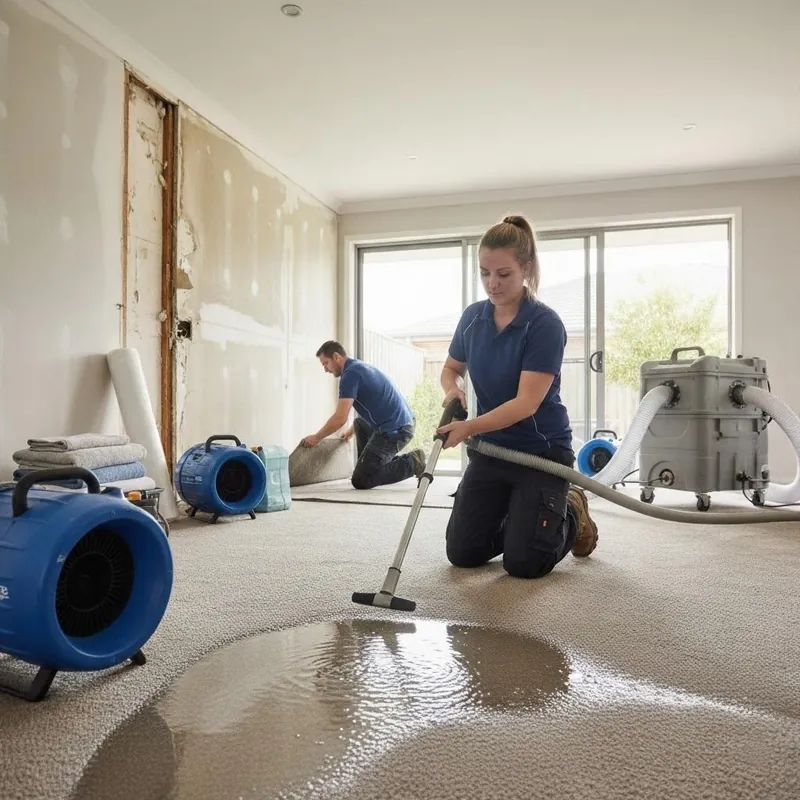
Pulling water out is the least costly stage. Each gallon pumped away is a gallon the dehumidifiers never have to draw from the air later.
What is the safe order for clearing standing water?
Start with power and the source: switch off the wet area, end the leak and name the water category. After that the deep water is pumped, floors and carpet are extracted and soaked materials are carried out. Drying machines are placed last.
- Make it safe. Breakers for the wet zone are switched off by a person on dry ground.
- Close the source. A valve or plumber ends the leak, or the outside water stops climbing.
- Pump the depth. One submersible unit can drain several inches from a room.
- Extract the remainder. Hand wands and rolling tools remove water held in carpet, pad and hard floors.
- Remove what holds water. Soaked pad, insulation and swollen baseboards leave so the frame can dry.
- Place machines and log readings. Written moisture numbers let each visit be compared with the one before.
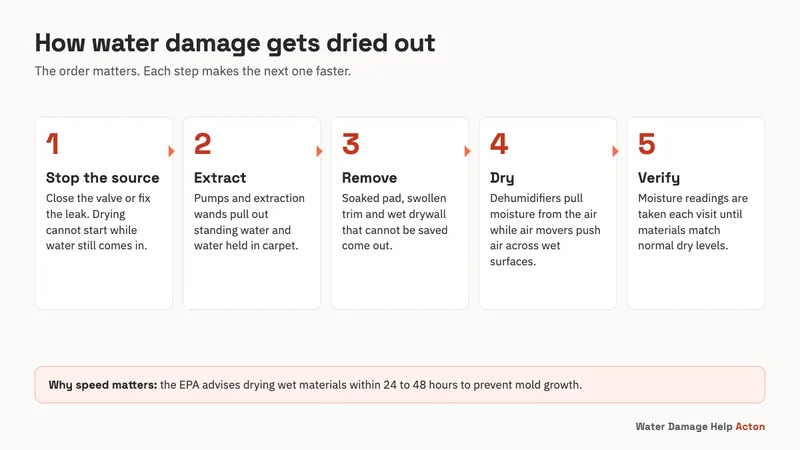
Water spreads sideways before it drains. Work therefore centers on the floor surface, the pad and the bottom of the walls, and you should ask the provider what turned up beneath the flooring.
Will wet carpet, pad and wood floors survive?
Frequently, if the water was clean and extraction began fast. Carpet can often dry where it lies after a clean leak, though the pad under it acts like a sponge and is usually replaced. Wood and laminate depend on how long they stayed wet.
Hardwood cups when moisture arrives from underneath. Early drying mats and dehumidifiers can flatten many floors. If the wait runs long, boards crown or split. Sanding a cupped floor before it is bone dry is a mistake.
Laminate and vinyl plank hold water below the surface. You can sometimes lift and relay a few planks, but laminate whose fiberboard core has swollen stays swollen.
The CDC says flood-soaked carpet and upholstery that cannot be dried right away should be removed. More detail is in the wet carpet drying guide and the floor repair guide.
How do you handle water inside walls, ceilings and the garage?
A wand cannot reach water inside a wall or over a ceiling. There, removal means tracing the source, pulling wet insulation or drywall and drying the framing. A failed heater or air handler may first show up as a ceiling stain.
Check the garage too. A water heater or washer out there can leak across the floor toward the living space. If the heater is strapped for earthquakes, see that the straps are dry as well.
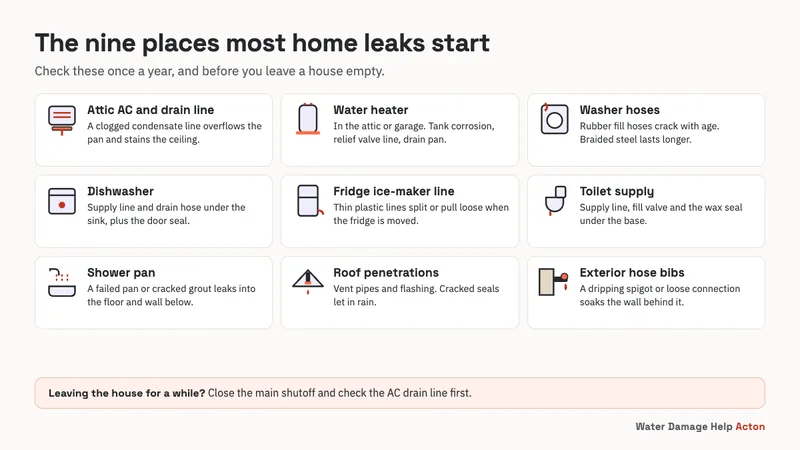
Each cause has a page of its own: AC leaks, water heater leaks and ceiling water damage. The ceiling guide also shows how to drain a bulging ceiling safely.
How much time should removal take?
The first visit is normally pumping and extraction, and its length follows the volume of water and the number of wet rooms. Drying runs longer still and differs from one material to another. Get an estimate for your own house from each provider instead of relying on a general figure.
Extraction leads because of the EPA's 24 to 48 hour target for mold prevention. A clean-water job may need equipment for a few days, and plaster, heavy subfloors and hardwood can run past that.
Leaving machines on is part of the job. Shutting dehumidifiers off at night to escape the noise lengthens everything.
What do national price guides say about extraction per square foot?
Fixr's guide, updated January 31, 2025, gives national extraction prices per square foot for each water type. They are national figures and not Acton quotes. A provider sets its own price, so use them only to sanity-check an estimate and ask questions when a quote sits far outside them.
| Water type | Typical source | Fixr extraction per sq ft |
|---|---|---|
| Clean | Supply line, split pipe | $3.75 to $4.25 |
| Gray | Washer, dishwasher | $4.10 to $6.50 |
| Black | Sewage, rising flood water | $7 to $7.50 |
Across an entire job, Fixr reports national totals running $1,200 to $5,000, averaging $3,000. Our cost guide breaks down the parts.
Should you rent a dehumidifier or bring in professional drying?
A household or rental dehumidifier can finish off a small clean spill that is already mopped up. It cannot pull moisture from pad, wall cavities or subfloors fast enough to hit the EPA's drying window. Soaked areas need extraction, then drying machines.
| Household or rented unit | Professional drying | |
|---|---|---|
| Fits | A small room whose surface water is gone | Soaked carpet, walls, subfloors and runoff |
| Extraction | None, so run a wet vac first | Pumps and extractors clear bulk water at the start |
| Tracking | Mostly guesswork without your own meter | Recorded readings at each visit |
| Claim records | Your own photos and receipts | Logs and equipment lists you can attach |
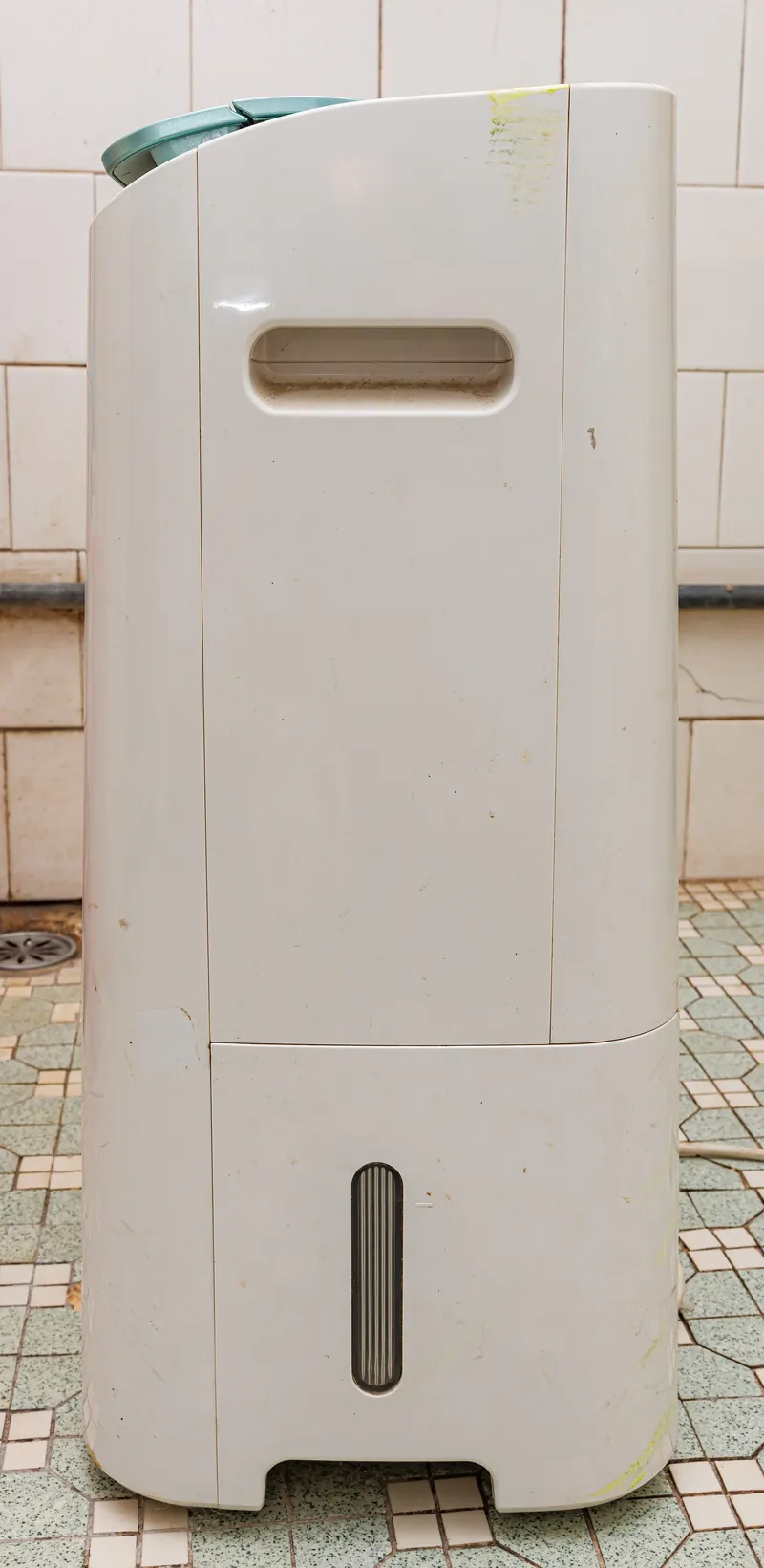

The EPA wants household humidity held below 60 percent, ideally 30 to 50, and prices a humidity meter at $10 to $50. High readings with the machine running are worth reporting to the provider. Structural drying explains how readings steer the work.
What shows that a house is not dry yet?
Drying is unfinished if the room smells musty, floors are soft or cupped, paint or baseboards bubble, or readings stop dropping. Machines should leave only when final numbers match dry areas of the same material, so ask the provider to show you those readings before it packs up.
- A sour odor that returns when the house is closed up
- Cupped boards, or laminate edges that stay raised
- Paint that blisters, or drywall that gives near the floor
- Numbers higher than an untouched wall in your own house
Sealing walls or installing flooring over damp materials traps moisture and invites mold and a second repair. If mold has started, the mold guide lists what comes next.
Which questions come before the pumps start?
Find out which water category the provider assigns, what it plans to remove, how it records readings and how it bills. Providers vary on each point, so get written answers first. The list below suits most jobs, and the provider should be comfortable answering every item.
- How does the water category change what happens to my carpet and pad?
- Will you take moisture readings at every visit, and may I have copies?
- Which materials come out, and which will you try to dry in place?
- Is the job billed from an insurance price list, by the hour or by quote?
- Whom do I call if a machine alarms in the night?
More points to confirm are in the restoration company checklist. When outside water is involved, start with flood cleanup near Acton.
Sources: EPA, brief guide to mold and moisture; IICRC S500 standard; Fixr, water damage restoration cost; CDC, mold and your health.