The short version
Window leak water damage usually shows below the sill as a growing stain, soft trim or a musty smell. Photograph it, cover the opening, mop up and dry the wall within 24 to 48 hours as the EPA advises. Insurers tend to cover storm-caused openings, not worn seals, so report early and save receipts.
Why does a leaking window cause water damage inside the wall?
Water that gets past a window frame does not stay at the window. It runs down the framing, soaks the drywall under the sill and wets trim and flooring along that wall. A window leak can be small at the glass and large inside the wall, which is why window leak water damage is often found late.
Most leaks start where materials meet: the sealant around the frame, the flashing above it, the sill or a cracked pane. Wind pushes rain sideways into those joints during a storm, so a window that stays dry in a drizzle can leak in a gale.
Rain is not frequent in this part of the county. Wikipedia gives nearby Palmdale a normal annual rainfall of 5.90 inches, spread over an average of only 27 days. NOAA Research notes that a few atmospheric river events deliver roughly 30 to 50 percent of a year's precipitation across the West Coast states. One hard storm can expose every weak window at once.
How can I tell a window leak from condensation?
A leak follows rain and leaves a stain that grows after each storm. Condensation follows humidity and shows as wet glass or a damp sill on cold mornings. The EPA says condensation on windows, walls or pipes can be a sign of high indoor humidity.
| Clue | Points to a leak | Points to condensation |
|---|---|---|
| Timing | Appears during or after rain or wind | Appears on cold mornings or after showers and cooking |
| Where the water sits | Below or beside the frame, on the wall | On the inside of the glass and the sill |
| Stain | Brown ring that grows after each storm | Little staining, mostly water droplets |
| Fix to try first | Find the entry point and seal or reflash it | Lower humidity and add air movement |
The EPA's ways to cut condensation are to reduce humidity, increase air movement and raise the air temperature. Its target for indoor relative humidity is under 60 percent, with 30 to 50 percent ideal. A cheap meter from a hardware store shows where your rooms stand.
Where does window water damage show up first?
Look directly under the sill, along the baseboard below and in the corners of the frame. Water follows gravity, so damage usually appears below the window rather than beside it. Bubbling paint, a soft sill and a musty smell all point to moisture that has been there for a while.
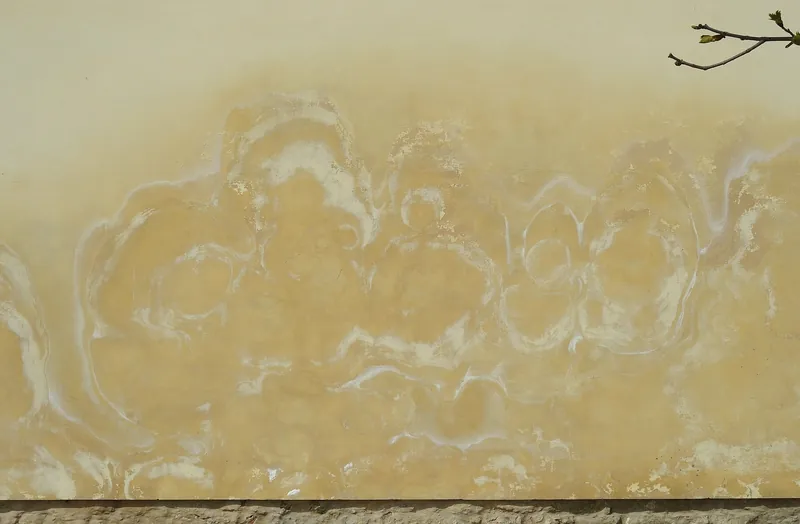

- Sill and trim: paint that bubbles, wood that feels soft or splits.
- Wall below the window: a stain with a darker edge, or drywall that feels cool and damp.
- Floor along the wall: carpet that stays damp or a floor edge that lifts.
- Inside the wall: the EPA lists the back side of drywall and the area inside walls around leaking pipes as places mold can hide, so a damp wall can hide a problem you cannot see.
A moisture meter reading from a provider tells you more than a stain does. Our signs of water damage guide lists other clues to check.
What should I do right after a window leaks in a storm?
Stop more water getting in, then photograph and dry the area. The California Department of Insurance says to cover damaged window openings with plastic sheeting or plywood, and it notes that policies may not cover further damage if you did not take reasonable steps to prevent it. Do not take risks to do it.
- Photograph first. Take pictures of the window, the wet wall and the floor before you touch anything.
- Soak up the water. Use towels on pooled water and move furniture and rugs away from the wall.
- Cover the opening. Use plastic sheeting or plywood on the outside if you can reach it safely, or tape plastic over the inside.
- Mark the stain. Trace the edge of the wet patch in pencil and write the date, so you can see whether it grows.
- Save receipts. The department says insurers reimburse reasonable costs of protecting the property when you keep the receipts.
- Start drying. Run fans and a dehumidifier, and open the room if the air outside is drier.
If the window is cracked or broken, keep people and pets away from the glass. The roof leak and storm water page covers storm entry points above the window line.
Can wet drywall and trim under a window be saved?
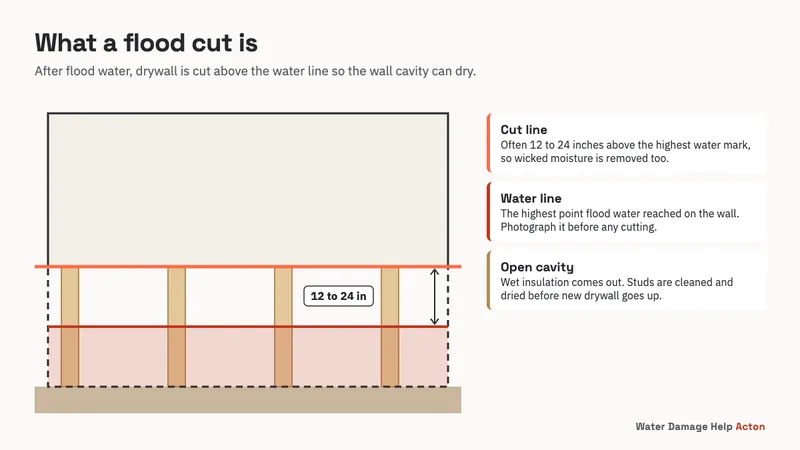
Often yes, if it dries fast. The EPA's rule of thumb is to get wet areas dry in 24 to 48 hours, before mold starts. Drywall that stayed wet longer, crumbles or smells musty is usually cut out and replaced rather than dried in place.
Fixr's national figures put drywall restoration at $1.50 to $3 per square foot. Those are national averages from Fixr, so a local quote will differ. Trim, a rotted sill or wet insulation add to the job.
Never paint or caulk over mold, the EPA warns. A patch under about 10 square feet is usually a do-it-yourself job in the EPA's view, and anything bigger calls for a professional. The drywall water damage repair page and the mold guide go further.
Will homeowners insurance pay for a leaking window?
It can, when a covered event caused the opening. The California Department of Insurance says a policy would generally pay for rain coming through a hole in the roof or a broken window, as long as strong winds or another covered exposure caused the hole. A worn seal is a different story.
Triple-I notes that neglected upkeep is excluded, and NAIC says ground water and rain runoff are not typically covered. A failed sealant that leaks for months looks like neglected upkeep to an adjuster, while a storm that breaks the glass looks like a covered event.
Report the damage right away and keep your dated photos. Ask your insurer in writing how it reads your policy. The insurance claims guide lists the steps in order, and the CDI complaint line is 1-800-927-4357 if a claim stalls.
Who repairs a leaking window, and does the work need a permit?
A window or glazing contractor, a roofer or a general contractor does the repair, and a restoration team dries the wall. Swapping a whole window may need a permit. Acton is unincorporated, so permits come from Los Angeles County, not a city, and the county's building office can say what applies.
Under a CSLB release, the unlicensed handyperson limit rose to $1,000 on January 1, 2025. It counts labor and materials together, and applies only when no workers are hired and no permit is required. CSLB's contract guide also caps a home improvement down payment at $1,000 or 10 percent of the price, whichever is smaller.
Our repair permits guide explains the county side, and choosing a restoration company lists questions to ask any provider.
What if I rent and the window leaks?
Tell your landlord in writing and keep copies. California Civil Code 1941.1 lists effective weather protection of the roof and exterior walls, including unbroken windows and doors, among the features a rental dwelling must have. Health and Safety Code 17920.3 separately names dampness of habitable rooms as a substandard condition.
Photograph the leak and the stain each week. The renters and landlords guide explains who handles what. In Acton, Wikipedia reports 12.0 percent of occupied housing units are renter-occupied, so this is a smaller group than owners, but it is the one that most needs the paperwork.
When should I call a restoration team?
Call when a wall stays wet, the stain spreads or you smell mold. Early drying can save the drywall and cut repair cost. If the window leak only dampened a sill, a window contractor may be the first call instead.
Restoration teams set their own services and availability, so confirm directly whether a company handles wall drying, moisture readings and trim. The guide index lists every Acton topic in one place.
Sources: Palmdale on Wikipedia; Acton on Wikipedia; NOAA Research, atmospheric rivers; EPA mold and moisture guide; EPA mold cleanup page; California Department of Insurance claims guide; Fixr restoration costs; Triple-I on covered perils; NAIC homeowners page; CSLB handyperson release; CSLB contracts guide; Civil Code 1941.1 and Health and Safety Code 17920.3.