The short version
To disclose water damage when selling in California, tell the buyer what you know, including fixed leaks. Civil Code 1102 voids any waiver, and an as-is sale does not remove the duty to deliver the disclosure statement. Keep repair invoices, photos and permits. This is general information, so confirm details with your agent or an attorney.
Do I have to disclose past water damage when I sell in California?
In most cases, yes. California's seller disclosure law, Civil Code 1102 and following, covers sales of single-family homes, and the legislature has said it does not reduce a seller's duty to disclose facts that materially affect value, including the physical condition of the property and earlier inspection reports.
That includes water problems you know about: a leak that stained a ceiling, a pipe failure, a roof that let rain in, mold that followed. A past problem you fixed is still a fact a buyer would want, so the safe habit is to disclose it and attach the repair records.
This page is general information from the statutes, not legal advice, and this site is not a law firm or a brokerage. Your agent or a real estate attorney should confirm what applies to your sale.
What does the California disclosure statement cover?
The Real Estate Transfer Disclosure Statement is the form a seller completes and gives a buyer. Civil Code 1102.6 sets out the form. Sellers answer from their own knowledge about the condition of the property, and agents add their own part of the form.
The form is the place to describe what you know about water, drainage and damage. Because the statutory text of the form is long, read the current version your agent provides rather than relying on a summary. Answer every question, and when something is partly true, explain it in the space provided.
A separate set of hazard disclosures applies too, and it is covered further down. Keep copies of everything you hand over and the date you handed it over, since the paper trail is your protection if a question comes up later.
Does selling a house "as is" remove the duty to disclose?
No. The statute calls any waiver of its requirements void as against public policy, and Civil Code 1102.1 records the legislature's intent that delivery of the transfer disclosure statement may not be waived in an "as is" sale, citing the Loughrin v. Superior Court decision.
"As is" can limit what you agree to repair for a buyer. It does not let you stay silent about a known leak or past damage.
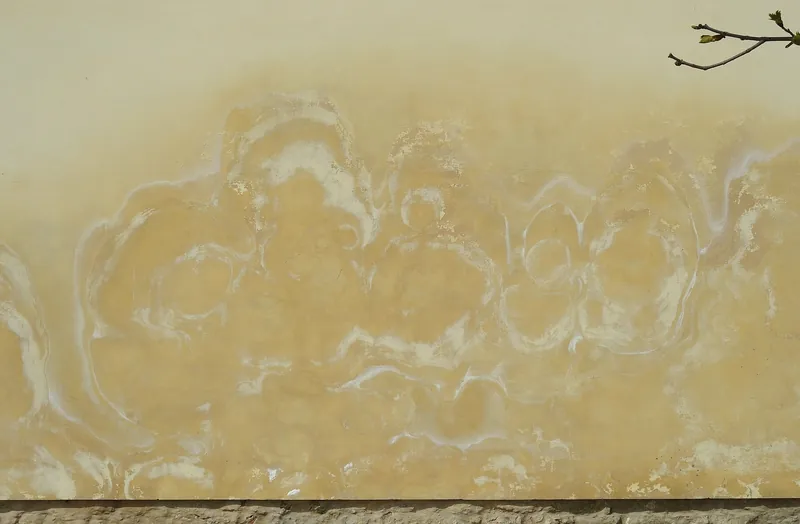

If a buyer later finds damage you knew about and did not mention, the dispute is about what you knew and when. Disclosing the history and showing the fix is cheaper than arguing about it afterward.
What if I did not know about the damage?
The law gives some protection when the problem was outside your personal knowledge. Civil Code 1102.4 says a seller or agent is not liable for an error or omission that was not within their personal knowledge, was based on information timely supplied by public agencies or others, and was handled with ordinary care.
That protection is narrow. It does not cover damage you saw, a stain you painted over or a repair you remember arranging. A seller who inherited or bought the home recently should still disclose what they have been told, such as the previous owner's repair records or a past inspection.
If you have doubts, ask a qualified person to look before you list. An inspector or a plumber can often answer in a visit what guessing never will, and a written finding helps both sides. See signs of water damage for what to look for.
Can an expert's report help me comply?
Yes, within limits. Civil Code 1102.4 says a report by a licensed engineer, geologist, structural pest control operator, contractor, roofing contractor or other expert, on matters within their license or expertise, is enough to claim the no-liability protection when the buyer requests that information.
| Situation | What to put in writing | What to keep |
|---|---|---|
| A pipe or fixture leak that was fixed | What failed, when, and what was repaired | The plumber's invoice and photos of the repair |
| Roof or window leak | Where it leaked and how it was stopped | Roofer's report, receipts, any later inspection |
| Mold found and removed | Where it was and how the moisture was fixed | Provider's scope of work and drying readings |
| An insurance claim for water damage | What the damage was and that repairs were made | Claim letters, estimates and final invoices |
The expert's statement only helps for the items it covers. Ask the expert to name the parts of the disclosure form that the report speaks to, so nothing is assumed. A plumber's note about a supply line says nothing about the roof, so match each report to the topic it addresses.
Which flood and fire hazards must I disclose?
Civil Code 1103 requires a natural hazard disclosure that is separate from the damage history. A seller or agent must disclose a location in a FEMA special flood hazard area (Zone A or V), a dam failure flooding area, a very high fire hazard severity zone, an earthquake fault zone or a seismic hazard zone.
These are location facts, not repair stories. For a mountain community like Acton, they are worth reading carefully, since a flood or fire zone designation affects insurance and lender questions, whatever the home's own history.
Acton is unincorporated, so the county, not a city, handles building records for the address. Our page on flooding after wildfire explains why burn areas change runoff, and the repair permits page covers what the county asks about work on a house.
Should I fix water damage before I list the house?
Usually, yes, and with the right paperwork. Unfixed damage lowers what buyers will pay and invites a long inspection report, while a documented repair shows that the problem was found and solved. Fix the source first, then dry, then repair finishes.
Check whether the work needs a permit. Los Angeles County Public Works says unpermitted construction can affect resale value and lead to added costs to permit or remove the work, and it can lead to denial of insurance claims. Keep the permit final with your papers.
Use a licensed contractor for anything larger than a small job. The Contractors State License Board says an unlicensed person may take on projects up to $1,000 in total only if they hire no workers and no permits are needed. Our water damage repair page explains the stages of a repair.
How should I document water damage and repairs for a sale?
Keep a simple file a buyer's agent can read quickly. The goal is to show what happened, who fixed it and that the home was dried and checked. Photos, dates, invoices and any provider's drying readings are worth more than a paragraph of explanation.
- Write a one-page timeline: the date you found the problem, the source and when it was stopped.
- Save photos from before, during and after the repair, with dates.
- Collect invoices from the plumber, roofer or restoration team.
- Keep drying records if a provider took moisture readings.
- Add permit paperwork and the final inspection record where a permit applied.
- Bring the file to your agent before you fill out the disclosure form.
Triple-I advises photographing or filming damage and keeping receipts, and the same habit makes a sale file easy to assemble.
Does mold change what I must disclose?
Yes, because mold is a condition buyers care about and CDPH treats dampness and mold as a housing-condition issue. CDPH says California has no state mold licensing or inspection rules. Describe what you found, what was done and what moisture fix followed.
The EPA says mold needs moisture, so a buyer's first question will be whether the water problem is gone. Answer with the repair record, not a promise. Our mold after water damage guide covers the cleanup side.
Insurers also exclude some mold losses, as NAIC and Triple-I note, so a buyer may ask about coverage. Be ready to point to claim letters if the damage came from a covered event.
What should a buyer ask a seller about past water damage?
A buyer should ask for the disclosure statement, repair invoices, permit records and any inspection reports. Then walk the property, check the ceilings and under sinks, and bring in an inspector. A seller's honest answer is a start, not a substitute for looking.
If a buyer wants to understand a damaged home better, our buying a water-damaged house guide lists what to check. For a deeper look at hidden moisture, a provider with a meter can add information that an inspector does not.
Restoration teams differ in what they check, so confirm directly. Read choosing a restoration company, or browse all of our water damage guides.
Sources: California Civil Code 1102; Civil Code 1102.1; Civil Code 1102.4; Civil Code 1102.6; Civil Code 1103; Los Angeles County Public Works, Building and Safety permits; CSLB press release 24-21; CDPH mold FAQ; EPA brief guide to mold; Triple-I on settling claims; NAIC homeowners page.