The short version
Water damaged plaster walls stain, bubble, soften and sound hollow when tapped. Stop the source, dry the wall fully, and get moisture readings before any patching. Older paint may contain lead, so do not dry sand it. Plaster costs more to repair than drywall, so compare written estimates.
What happens to water damaged plaster walls?
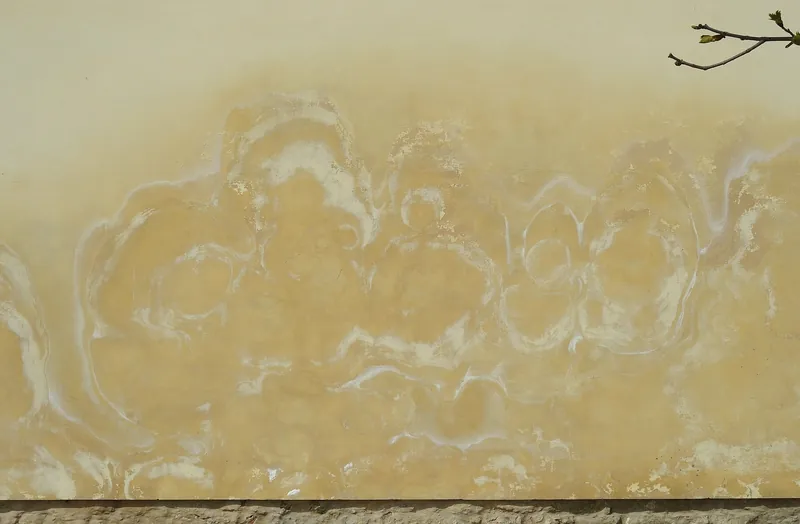
Water damaged plaster walls soften, stain, bubble and eventually crumble, because plaster absorbs moisture and loses its bond to the lath or masonry behind it. Unlike drywall, plaster is heavy and hard, so damage often hides behind a surface that still looks solid.
This page explains what wet plaster looks like and what to ask before work starts. Plaster comes in layers. A rough base coat sits on wood lath, metal mesh or masonry, and a thin finish coat goes on top. Water can break the bond between those layers while the paint looks fine.
Acton has 2,821 housing units according to its 2020 census figures, and the age of that housing is not documented here. If your walls are plaster, you likely have an older house or an older section of one. Check before you assume, because many newer homes use drywall instead.
How do I tell plaster from drywall?
Knock on the wall and look at an edge. Plaster sounds dense and dull, feels cold and hard, and is often over an inch thick at a doorway or outlet. Drywall sounds hollow and light, and its paper-faced panels show seams under paint. A pin will not push into plaster but may dent drywall.

Switch plates and window returns are good places to look, since you can see the wall thickness there. Some houses mix both, with plaster in older rooms and drywall in an addition. A provider or inspector can usually tell on sight. The drywall water damage repair page covers the other case, and the repair path differs, so identify the wall before you compare quotes.
What are the signs of water damage on plaster?
Look for brown or yellow stains, bubbling or peeling paint, soft or powdery spots, hairline cracks that open, and plaster that sags or sounds hollow when tapped. A musty smell with no visible stain can mean the wall is wet inside. One sign is a clue. Several together mean the wall needs measuring.
| What you see | What it often means | First move |
|---|---|---|
| Brown ring or tide line | Water reached the wall and dried, perhaps more than once | Mark the edge in pencil, check whether it grows |
| Bubbling or peeling paint | Moisture is pushing off the finish coat | Leave it, photograph it, find the source |
| Soft, powdery or crumbling spot | The plaster has lost strength | Keep people and pets away from loose pieces |
| Bulge or sag, mostly on ceilings | Plaster has pulled away from the lath | Stay out from under it, see ceiling water damage repair |
| Hollow sound when tapped | The bond behind the surface has failed | Ask for a moisture reading before any patching |
| Musty smell, no stain | Wet material inside the wall | See water damage smell |
Cracks alone are not proof of water. Plaster cracks as a house settles and as seasons change. A crack with a stain around it, or one that feels damp, is the kind that deserves a look. The signs of water damage guide covers more of these clues.
What causes water damage in plaster walls?
The cause is nearly always a leak: a supply or drain line inside the wall, a roof or window leak, a bathroom or kitchen fixture, or an overflowing appliance. Find the source first. Repairing plaster over an active leak only repeats the damage, and the stain will return through the new paint.
Plumbing lines inside a wall may leak for months before a stain shows. A roof leak can travel along a rafter and appear a room away from the real entry point. The roof leak and storm water damage page and the bathroom and kitchen water damage page explain the common routes.
Winter nights matter in this area. Palmdale, next door, averages about 52 mornings a year at or below freezing, according to its climate normals on Wikipedia, so a split pipe in an outside wall is a real possibility. See thawing frozen pipes for what to do first.
Can water damaged plaster be saved?
Sometimes. Plaster that is only stained and still firm, and that dries out fully, can often be sealed and repainted. Plaster that is soft, crumbling or detached usually has to be removed and patched. A provider with a moisture meter can tell you which case you have before anyone cuts anything.
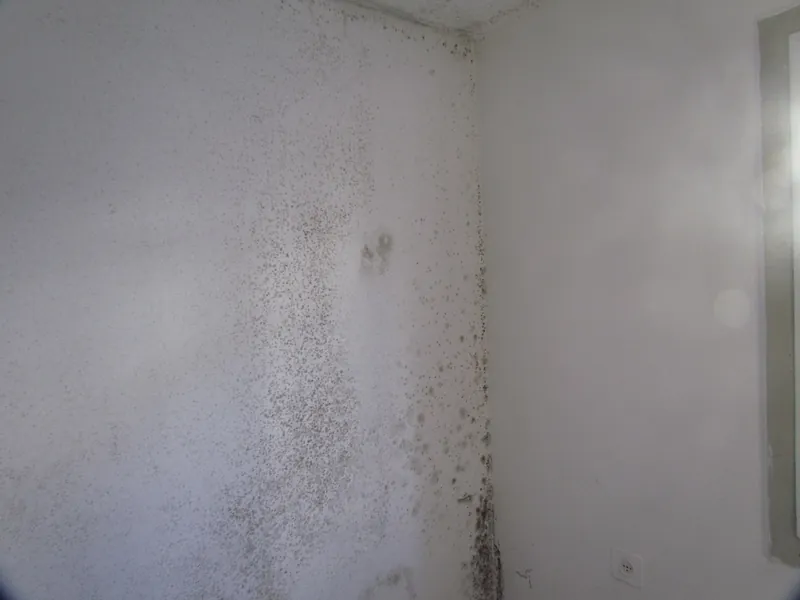
Drying matters first. The EPA advises drying water-damaged areas and items within 24 to 48 hours to prevent mold growth. Plaster is dense and holds water longer than drywall, so a wall that looks dry can still read wet inside. Painting before the wall is dry traps moisture. The EPA also says not to paint or caulk moldy surfaces.

Ask the provider how they will test for dryness and whether they will give you the readings in writing. The structural drying page explains what drying equipment and monitoring involve.
Is it safe to sand or scrape old plaster and paint?
Not without checking first. The EPA says homes built before 1978 are more likely to have lead-based paint, and that repair work disturbing painted surfaces in older homes can release lead dust. Do not dry sand or scrape paint on an older wall until you know what is on it.
The EPA says approximately three-quarters of homes in the United States built before 1978 still contain some lead-based paint. Paint in good shape is usually not a problem, but demolition, sanding and scraping change that. If you do not know your home's age, find out from county records or a previous inspection report. A provider that removes wet plaster in an older home should tell you how it handles dust, and you should ask. Keep children and pregnant family members out of the work area until you have an answer.
How much does it cost to repair water damaged plaster?
Plaster usually costs more per square foot than drywall. Fixr reports national restoration costs of $6.25 to $18.75 per square foot for plaster, compared with $1.50 to $3 for drywall. Those are national ranges, not Acton quotes. Restoration teams differ, so get written estimates that list the work line by line.
Several things push the price up or down: how much plaster is wet, whether it must be removed to the lath, whether a three-coat repair or a skim coat will match the wall, and whether paint, trim or plumbing work is included. A restoration team may dry and remove wet material, while a plasterer or painter often does the finish work, so you may receive more than one bill. The restoration cost guide shows how estimates are built.
Will insurance pay for water damaged plaster walls?
It depends on the source. The NAIC says water damage from a home's plumbing or a roof leak is typically covered, while ground water and rain runoff are not. Triple-I says standard policies do not cover damage from lack of maintenance or mold. Your policy and your insurer decide, so ask them directly.
Triple-I advises contacting your agent or insurer immediately, taking reasonable steps to protect the property, photographing the damage and saving receipts. Do not throw out damaged material until the adjuster has visited. The California Department of Insurance tells homeowners to report water damage claims right away and to find and stop leaks at the source. The insurance claims guide walks through the steps.
What should I do first about wet plaster?
Stop the water, then protect the room and record what you see. Do not cut, sand or paint the wall yet. Each step below keeps your options open for drying, repair and a claim.
- Stop the source. Shut off the water if a pipe is leaking, or cover a roof leak if you can do it safely.
- Stay clear of sagging plaster. Move furniture and people out from under bulging ceilings.
- Photograph and measure. Take dated pictures of stains, and mark the edge of each one in pencil.
- Improve airflow. Open windows when the weather allows and run fans and a dehumidifier in the room.
- Avoid sanding and scraping. Older paint may contain lead.
- Call your insurer and ask what it needs before work begins.
- Get moisture readings from a provider so you know how far the wet area goes.
When should I call a restoration team?
Call when plaster is soft, bulging or crumbling, when stains keep growing, when a smell has no source, or when you cannot get the wall dry yourself. A provider can measure moisture, remove wet material and set up drying equipment. Waiting gives mold and rot more time.
Restoration teams differ in what they handle, so confirm directly whether a company does plaster removal, drying and rebuild, or only part of it. Ask for moisture readings and photos in writing. For help comparing companies, read choosing a restoration company, and browse the Acton water damage guides.
Sources: EPA, Protect Your Family from Sources of Lead; EPA, Brief Guide to Mold, Moisture and Your Home; EPA, Mold Cleanup in Your Home; Fixr, Water Damage Restoration Cost; NAIC, Homeowners Insurance; Triple-I, Which disasters are covered; Triple-I, Settling claims; California Department of Insurance, Residential Property Claims Guide; Wikipedia, Acton, California.